

Macro lens was missing from Lumix S lens line up for too long. This NEW 100mm macro is the final piece, the 6th lens in the series and what is really surprising, or not, it is the same size as other 5. 100mm f2.8 1:1 macro, a lens that it is going to be very popular for sure but it is so much more than a lens to just take the macro photos of bugs with.
In this video, I will show you lots of samples shot with it, I’ll tell you how it performs and what it is good for and in the end I will hopefully help you to decide if this lens is for you or not. Stay tuned to find out more.
The common misconception is that macro lenses, like this one, are just a one trick pony. A lot of people believe that it is an expensive lens that it is designed for someone with a lot of patience, who sits all day in the bushes trying to capture a close up image of a butterfly or a dragon fly. This is not the case. How I see it, it is a 100mm, wide aperture prime, that has really good minimum focusing distance and you can get close to your subject with … if you want to.
In reality, you can use it for any other type of photography as well, making it a really versatile option and certainly not a one trick pony.
There is no surprise that this lens performs really well. Superbly sharp and rendering colour and contrast beautifully. It matches, quality wise, all others in the series.
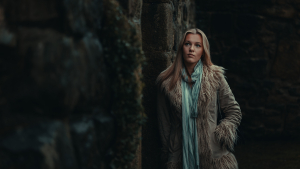
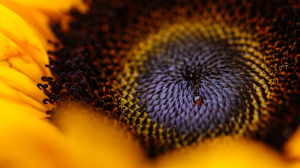
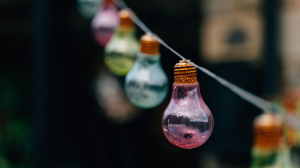
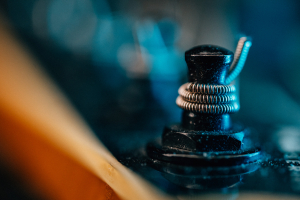





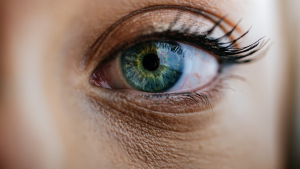


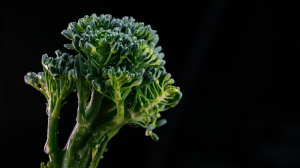

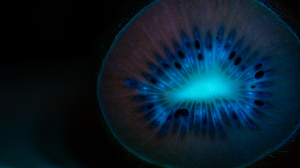
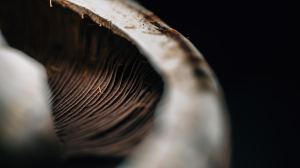
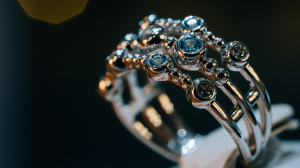


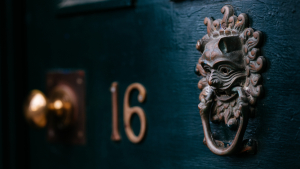
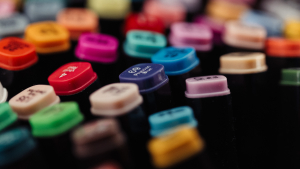
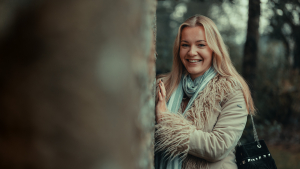
All images © Copyright Pav SZ – All Rights Reserved
Apart from being macro, it is a great portrait focal length. That telephoto focal length gives really nice compression, zoom compression, and superb subject to background separation when shooting wider or getting really close to your subject.
Because it is a macro lens that can focus on things really close, it is a little bit different than most of standard lenses. It’s focusing from its minimum focusing distance to infinity has a long way to travel. It’s a a very wide range, wide focusing range, so the auto focusing can be a little bit more challenging sometimes. This is normal with all macro lenses.
Focusing from something close to something further away might seem slow or slower than a standard lens and there is bigger chance of auto focus hunting but once you know how it works and why this happens, it is fairly easy to manage. Firstly, as with all macro lenses, especially when going macro with it, the manual focus is always the best and most reliable choice, option. I usually only use auto focus as a guide or help sometimes when shooting macro but 99% of time just do it manually.
The lens has got the focus limiter switch which helps with the every day auto focusing. With this switch you basically can stop focusing beyond or before certain points. So minimum focusing distance to half a meter and half a meter to infinity, taking away the macro functionality to make the focusing faster when you don’t need to go macro or allow it to focus only in macro range if that’s what you want. All standard.
It is a great lens for street photography, landscape, cityscape and more. One thing it is not, is wide angle. Apart from that, you can do everything else with it. Great close-up lens too, you don’t always have to get as close as possible to your subject. You don’t need to go macro with it every time you use it.
Once you know how the autofocusing works, it is very easy to use.
When shooting macro, you get 1:1 magnification. It captures life size images. One thing to know, that to get those extreme close ups of the eye of the fly, you will have to crop in, there is no other way.
Also when shooting macro your depth of field is going to be extremely shallow at f2.8. You will need to close the aperture down to get the focusing point wider or focus stack multiple images. That’s when you move the focus manually through the images and then stitch them together in post to get wider focusing area. Standard again with all macro lenses and macro photography.
I’m too lazy for that, I just shoot anything between f8 and f16 to get as little depth of field as possible when shooting macro.
The minimum focusing distance is a very impressive 20cm
The flaring is not too bad, Chromatic aberration is under control too most of the time, but then it just shows up with a vengeance. Not unusual.
It works just as well with video. Same limitations with auto focusing. Once you are in the focus range you want to be, no problem what so ever. Manual focusing is always the most reliable option though.
There is a lot of focus breathing visible, not really designed for long focus pulls, or long changes of focusing. Generally speaking, it gives you more flexibility as you get standard field of view and you can also get really close to your subject to get those nice macro shots and show the world or every day objects differently.
Build.
Same size as all other S lenses. This is the smallest macro lens on the market right now. Traditionally macro lenses are bigger and heavier than this. It weighs only 350g, not the same weight as other lenses in the series but similar and the center of gravity is the same as with the other lenses making it a really unique, no other set like that from any brand on the market right now.
Filter thread of 67mm, same across the set. Standard, auto/manual focus switch and the focus limiter that I mentioned before.
Same and very standard, manual focusing ring, nicely dampened and smooth to turn.
Fully weather sealed but there is no build in stabilisation. Not an issue with cameras like S5II or S5IIx or even S5 as it works very well with the camera’s in body stabilisation to get steadier shots hand held but as with all macros, tripod will always be your best friend when shooting with it, when shooting proper macro anyway.
Price
It is a more specialist lens than all others in the series and the price reflects that. It will retail for £999 and I think $999 in US. Not cheap and very similarly priced to L-mount version of the Sigma 105mm macro lens but it is lighter and smaller than the Sigma lens and it does match the optical quality and external design with all other S series Lumix lenses.
It is a good value for money, especially if you are going to use it regularly.
Conclusion
It is a very good macro lens, or should I say a very good 100mm prime with macro capabilities.
I found it very easy to use. Even though I am used to all other Lumix lenses, its form factor is great, this is small size for a macro lens. This is perfect size and weight to take with you, in a camera bag, just in case. In the past, the size of macro lenses would stop me from taking them with me more often. This is great.
This one also delivers outstanding results and it is a perfect match for S5, S5II or S5IIx
If you need a lens to shoot macro with as well as portrait, street photography or even landscape, you should definitely check it out. Highly recommended.
Recent Comments